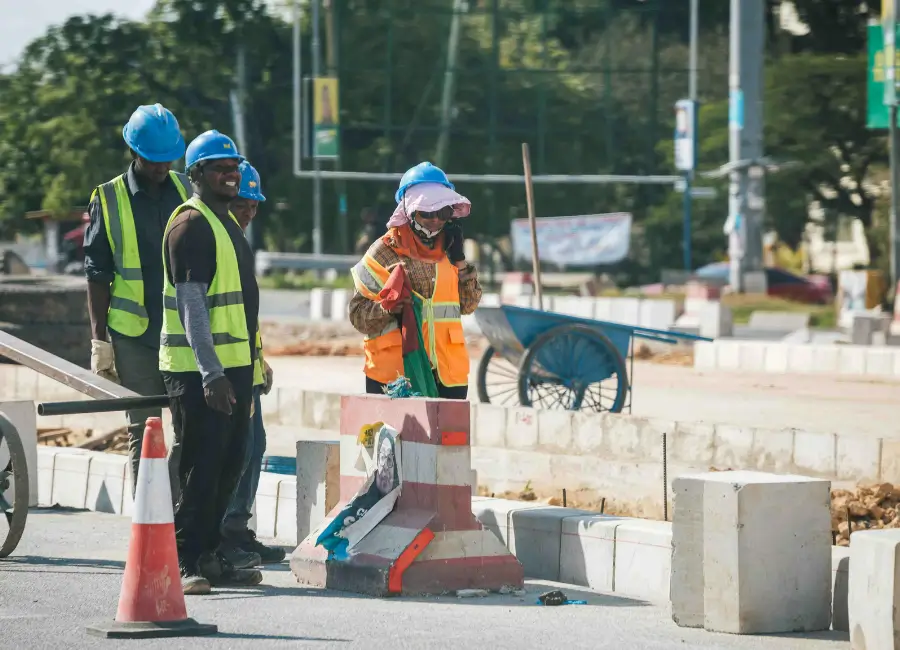
Construction delays are one of the biggest challenges in large-scale developments.
They increase costs, impact investor confidence, disrupt timelines, and can damage stakeholder relationships.
However, with the right planning, coordination, and technology adoption, delays can be significantly reduced.
1. Strong Pre-Construction Planning
Many delays originate before construction even begins. Detailed feasibility studies, accurate cost estimation, risk assessment, and realistic scheduling are critical.
Developers must ensure land approvals, permits, utility clearances, and environmental compliance are secured early.
Investing more time in pre-construction planning often saves months during execution and reduces construction delays.
2. Effective Stakeholder Coordination
Large developments involve multiple stakeholders: developers, contractors, consultants, government bodies, and financiers.
Lack of communication between these groups often leads to bottlenecks.
Establishing clear communication protocols, regular review meetings, and centralized reporting systems ensures alignment on timelines and responsibilities.
You can also read: From Permits to Progress: How Cities and Developers Can Move Faster Together.
3. Adoption of Technology and Digital Tools
Modern construction management tools can significantly improve project tracking and decision-making.
Tools like BIM (Building Information Modeling), construction project management software, and real-time progress dashboards help identify risks early.
Digital documentation also reduces approval delays and enhances transparency across teams.
4. Reliable Supply Chain Management
Material shortages and logistics disruptions are common causes of delays.
Developers should build strong vendor relationships, maintain buffer inventories for critical materials, and diversify suppliers where possible.
Advance procurement planning and local sourcing strategies can reduce dependency on uncertain supply channels.
5. Skilled Workforce and Resource Optimization
Labor shortages or inefficient workforce deployment can slow down progress. Proper workforce planning, skill training programs, and performance monitoring are essential.
Additionally, optimizing equipment usage and scheduling parallel activities where feasible can accelerate timelines.
6. Proactive Risk and Contingency Planning
Unexpected factors such as weather disruptions, regulatory changes, or financial constraints can impact schedules.
A proactive risk management framework with contingency buffers in time and budget helps projects stay on track.
Scenario planning and quick decision-making are key to minimizing the impact of unforeseen challenges.
7. Strong Governance and Accountability
Clear ownership of milestones and performance metrics ensures accountability. Developers should implement structured monitoring mechanisms with defined escalation pathways.
Transparent reporting builds trust with investors and partners while enabling faster corrective actions.
You can also read: Commonly Overlooked by First-Time Commercial Developers: The True Impact of Parking Ratios.
Conclusion
Reducing construction delays in large-scale developments requires a combination of strategic planning, technology integration, supply chain resilience, and collaborative governance.
By adopting a proactive and structured approach, developers can improve efficiency, control costs, and deliver projects on time, ultimately strengthening market credibility and long-term growth prospects.